
- Founder-led
- Based in Reston, Virginia
- Documented handoff
- Serving Northern Virginia & Montgomery County, MD
One person accountable, from the first reply to the handover.
Eric Enkh reviews each project, recommends the work, and answers for the finished system. The Orbit Tech plans and installs home networks, backup internet, and Starlink for larger homes and working households in Fairfax County, Alexandria, Falls Church, Loudoun County, Arlington County, and Fauquier County in Virginia, and Montgomery County in Maryland. We keep what is sound, explain the options, and put the agreed work in writing.
The first conversation is free, and Eric Enkh replies personally.
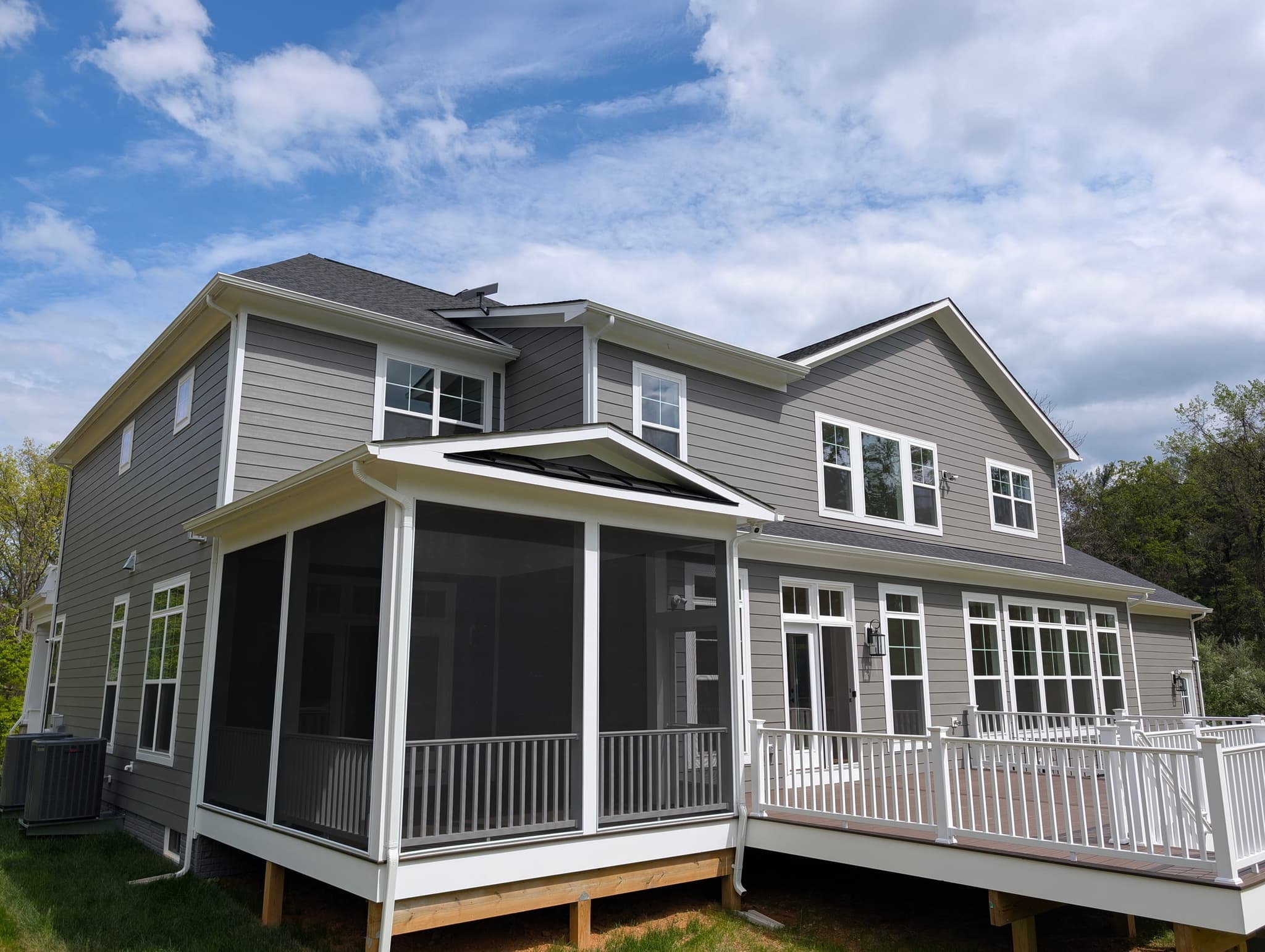
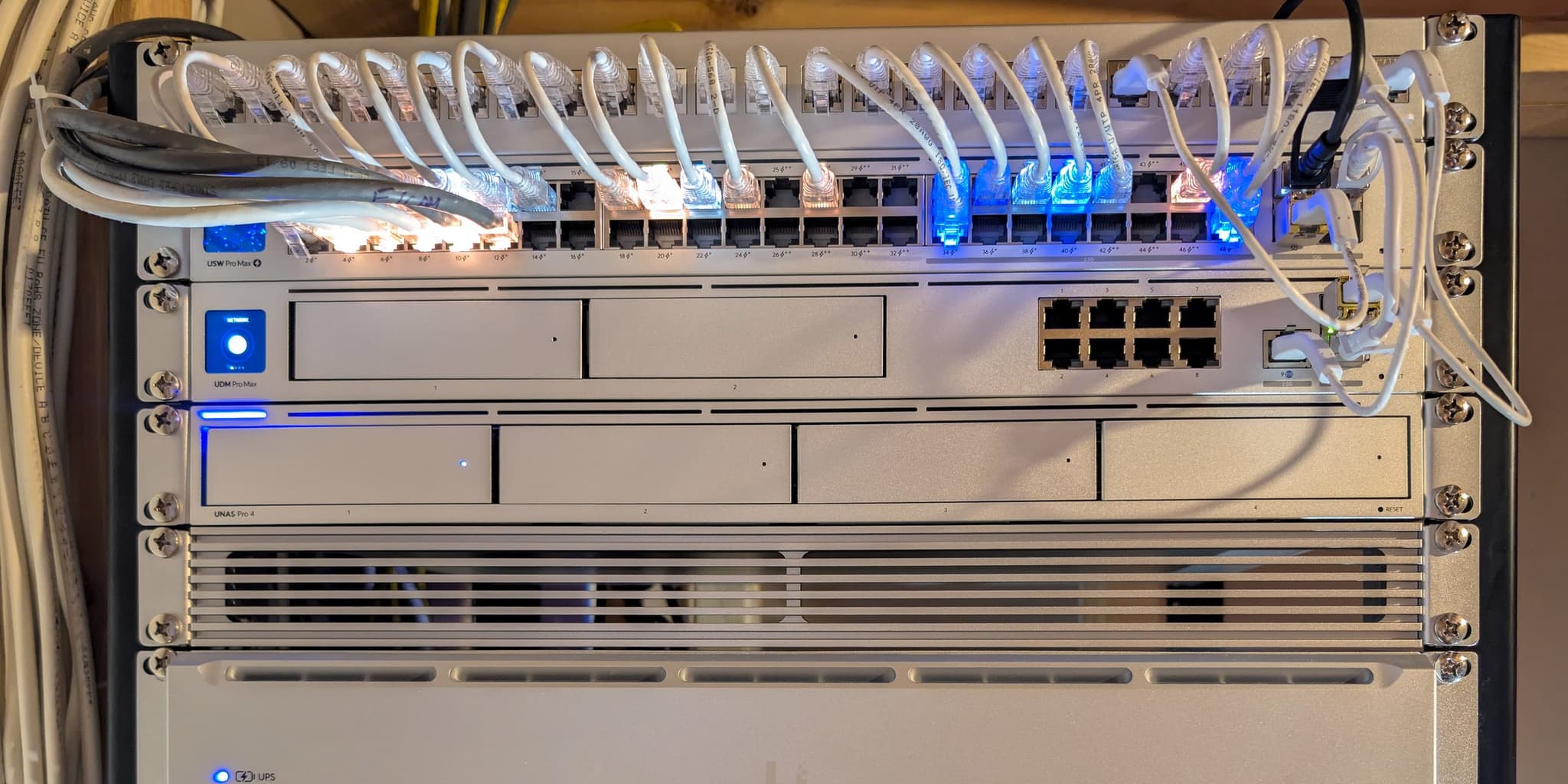
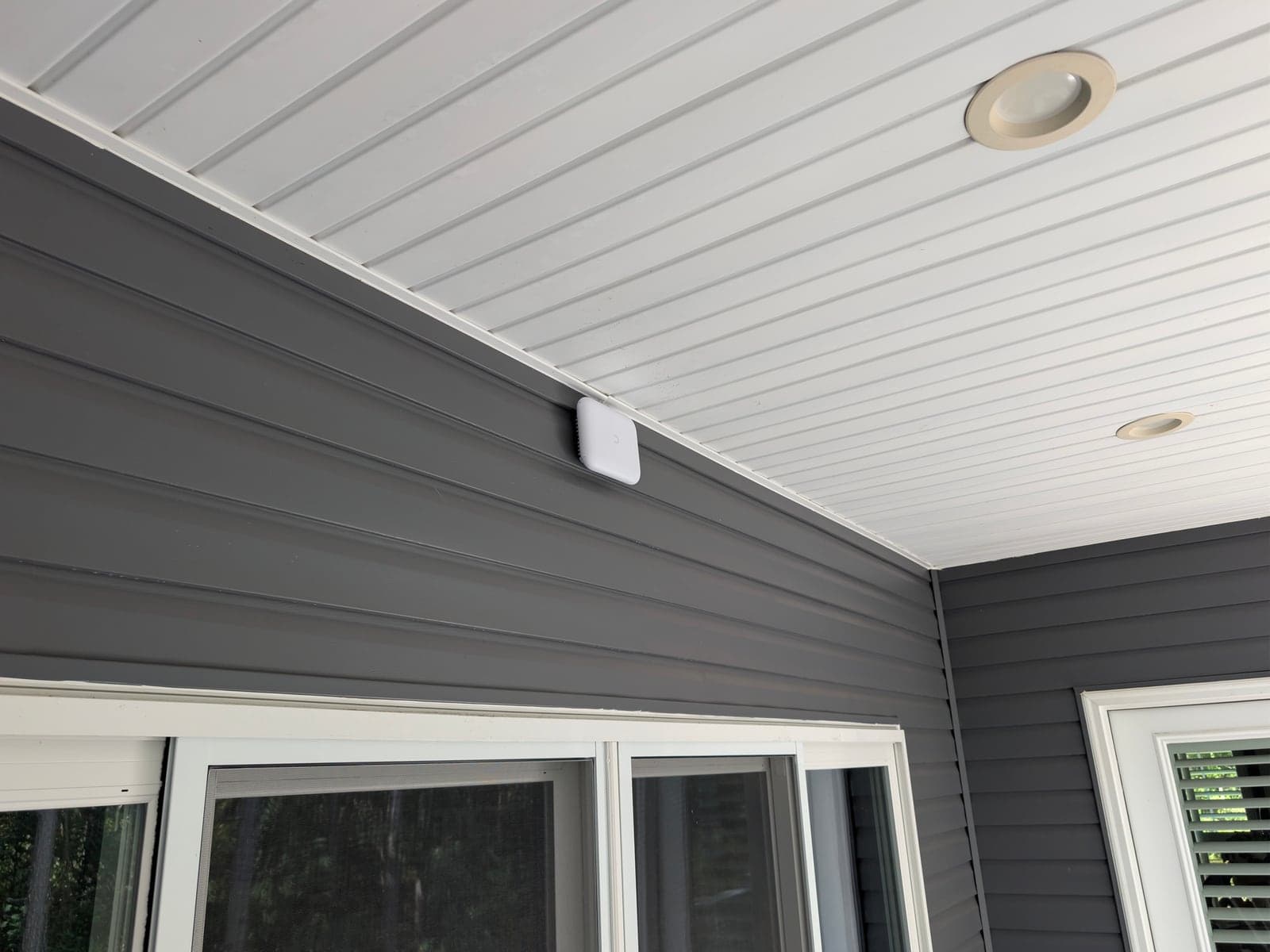
What the work looks like.
Each project record shows the property, the decisions, what was tested before handover, and what the record does not show.
Where the approach comes from.
Before The Orbit Tech, Eric installed access control, automation, satellite, AV, and networking systems. One lesson kept coming back: when a system disappoints, the cause is often where things were put and how they were wired, not the product itself.
- Founded
- 2025
- Based in
- Reston, Virginia
Eric reviews every request and remains answerable from the first reply through final testing and the written handover.
Founder-led means the person who looked at your property answers for what is installed on it. Nothing gets lost between a salesperson, a designer, and an installer.
Records are part of that responsibility. A system that cannot be understood after the installer leaves is not finished.
- Field origin
Access control and automation
Eric Enkh started as a commercial and residential access-control and automation technician: wiring, device integration, and systems that had to stay serviceable.
- Related systems
Satellite, AV, networking
Field work across satellite, commercial AV, and networking showed how often equipment gets blamed for problems that come from placement and wiring.
- Operating method
The lessons became the method
Look at the property first, design to it, install carefully, test before handover, and write down what was done.
Planned around what depends on it, not the square footage.
Many of these houses are working homes. Calls, gates, Wi-Fi, backup internet, and outbuildings rely on the same network, so they are planned together.
Measure before specifying
Placement and equipment follow site measurement, not catalog defaults or assumptions carried over from a similar property.
Preserve what is sound
Existing cabling and equipment that still perform are kept and documented — not replaced to pad an invoice.
Design for serviceability
Systems are built so a qualified professional can service or extend them years later without reverse-engineering the property.
Document what is installed
The handoff includes the records: topology, configuration, credentials, and what was verified at commissioning.
Separate diagnosis from equipment sales
What the property needs is established before any hardware is proposed. Diagnosis is a deliverable, not a sales visit.
Local conditions we plan around.
Properties here are shaped by the region: heavy canopy, large lots with detached structures, older masonry beside new construction, and provider footprints that change street by street. Each of those conditions narrows what will actually hold up, which is why they are measured before anything is specified.
Based in Reston, Virginia, the practice serves Fairfax County, Alexandria, Falls Church, Loudoun County, Arlington County, and Fauquier County in Virginia, and Montgomery County in Maryland. Select projects outside the core service area may be considered based on scope and scheduling. Don't see your area? Call (571) 999-6915 — if the property is in range, you'll get a direct answer.
- Tree canopy and seasonal foliage
- A sightline that is clear in February can close by July, so placement is decided against summer growth.
- Distance and detached structures
- Guest houses, barns, and pool houses sit far from the main service entry and need a planned path, not a repeater.
- Masonry and low-E glass
- Stone, brick, and coated glass attenuate signal sharply, which changes where equipment can usefully live.
- Mixed generations of wiring
- Properties often hold three eras of cable at once. What still performs is tested and kept; the rest is replaced.
Every project runs the same four steps.
The Orbit Protocol™ scales to the property; the order stays the same. This page is who we are; the process page is how the work is carried out.
- Step 1
Understand the property
We start with what needs to work better, not with equipment.
- Step 2
Recommend a plan and price
You see what we propose, why, and what it costs, before you commit.
- Step 3
Install with care
Approved work, done the way we agreed.
- Step 4
Test, explain, and hand over
Finished means tested against what we agreed, and explained to you.
The standard every handover meets
It is written down rather than carried in one person’s memory, so whoever services the system next, and anyone who works on an Orbit Tech project in future, works to the same checks.
- Tested
- What the project was meant to fix is tested before handover (the final testing we call commissioning), and the results are recorded.
- Labeled
- Cables, ports, and equipment carry labels that match the records.
- Documented
- A record of what was installed, where it is, and how it connects, sized to the project.
- Owner-held accounts
- You hold the main account. Any support access we keep is a separate account, and you can remove it.
Start with a free project review.
Review the property and scope, confirm fit, and recommend the appropriate next step. It carries no charge and no financial obligation — it exists to establish whether the work is a fit before anyone commits to it.
The review leads to one appropriate path: a Direct Quote, an On-Site Infrastructure Assessment, or an Infrastructure Architecture Plan.
- Path 01
Direct Quote
When the scope is already clear and the property confirms it.
- Path 02
On-Site Infrastructure Assessment
When conditions need to be measured before anything is promised.
- Path 03
Infrastructure Architecture Plan
For complex estates, construction, and multi-building properties.