Mesh Backhaul Network Architecture
Technical Analysis12 min read

The Mesh Backhaul Dilemma:
WiFi 7 MLO vs. Wired Ethernet

A technical analysis to architect the optimal home network. Understanding the trade-offs, real-world performance, and the definitive hierarchy for mesh backhaul technologies.

December 2025
Eric Enk, Chief Network Architect
50%
Bandwidth Loss
Per Wireless Hop
10 Gbps
Ethernet Max
Gold Standard
46 Gbps
WiFi 7 MLO
Theoretical Max
#1
Hierarchy
Wired > MoCA > MLO
Executive Summary

The Verdict on Mesh Backhaul

The choice of mesh network backhaul technology fundamentally determines your home's internet performance. This analysis compares wired Ethernet, MoCA coax, and the breakthrough WiFi 7 Multi-Link Operation (MLO) to reveal which technology delivers the best balance of performance, reliability, and practicality.

The Verdict: Wired Ethernet remains the uncontested gold standard. WiFi 7 MLO represents a paradigm shift for wireless-only networks—but it's not a replacement for wired connections, especially for mission-critical applications.

The Problem

Why Backhaul Matters

Every mesh WiFi system contains two separate networks working in parallel—and most people only think about one of them.

📱 Fronthaul: Your Connection

The wireless link between a mesh node and your devices (laptops, phones, TVs). This is the connection you feel when using your WiFi.

🔗 Backhaul: The Spine

The connection between satellites and the main router—the data backbone that feeds your entire system. This is the hidden bottleneck that determines your true performance.

The Core Problem: The 50% Penalty

When a satellite uses a wireless backhaul, it must dedicate at least one of its radios to communicating with the main router. In older dual-band systems, this same radio handles both backhaul AND client connections—forcing it to do two jobs at once.

The result? A devastating 50% bandwidth loss per wireless hop.

Real-World Test Results (UniFi Mesh):
Wired AP (Baseline): ~900 Mbps
1-Hop Wireless Mesh: ~450 Mbps ← 47% loss
2-Hop Wireless Mesh: ~120 Mbps ← 87% total loss
The Data

Technology Comparison Matrix

TechnologySpeedLatencyInstallationReliability
Wired Ethernet1-10 Gbps4-5ms⭐⭐⭐⭐⭐⭐⭐⭐
WiFi 7 MLO40-46 Gbps5-8ms⭐⭐⭐⭐⭐⭐⭐⭐⭐
MoCA 2.52.5 Gbps3-4ms⭐⭐⭐⭐⭐⭐⭐⭐
Wireless Only400-900 Mbps8-15ms⭐⭐⭐⭐⭐⭐⭐
Key Findings

What the Data Reveals

Wired Ethernet is Gold Standard

Unmatched throughput (1-10 Gbps), lowest latency (4-5ms), and absolute reliability. Non-negotiable for performance-critical applications.

WiFi 7 MLO is Game-Changing

For wireless-only deployments, WiFi 7 MLO fundamentally changes the game. Multi-link operation can aggregate bands to significantly reduce the wireless penalty.

MoCA 2.5 is the Hidden Gem

If coax is already available, MoCA 2.5 provides excellent performance (2.5 Gbps), low latency, and exceptional reliability. Often overlooked but highly practical.

Wireless-Only Has Hard Limits

Pure wireless backhaul suffers inherent limitations: the 50% penalty, RF interference, and inconsistent performance. Even WiFi 7 MLO can't fully overcome these physics.

The Framework

Choosing the Right Technology

Your optimal backhaul choice depends entirely on your home's existing infrastructure.

1

You have coax lines already available

Use MoCA 2.5

2.5 Gbps, 3-4ms latency, excellent reliability. The most practical choice.

2

You can run Ethernet (conduit, wall access, or dry runs)

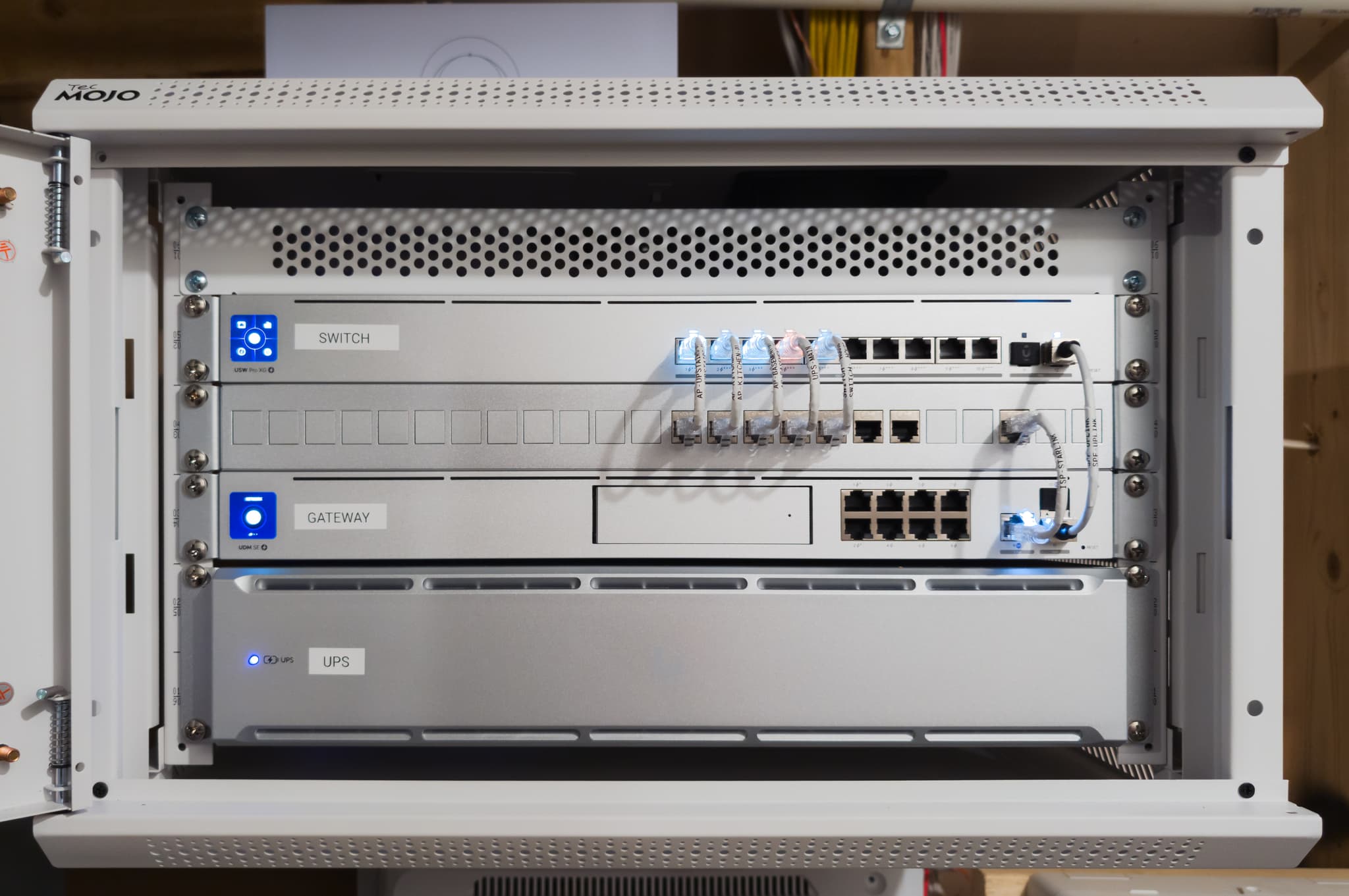
Use Wired Ethernet (10 Gbps if possible)

Unmatched performance, future-proof architecture. Worth the installation effort.

3

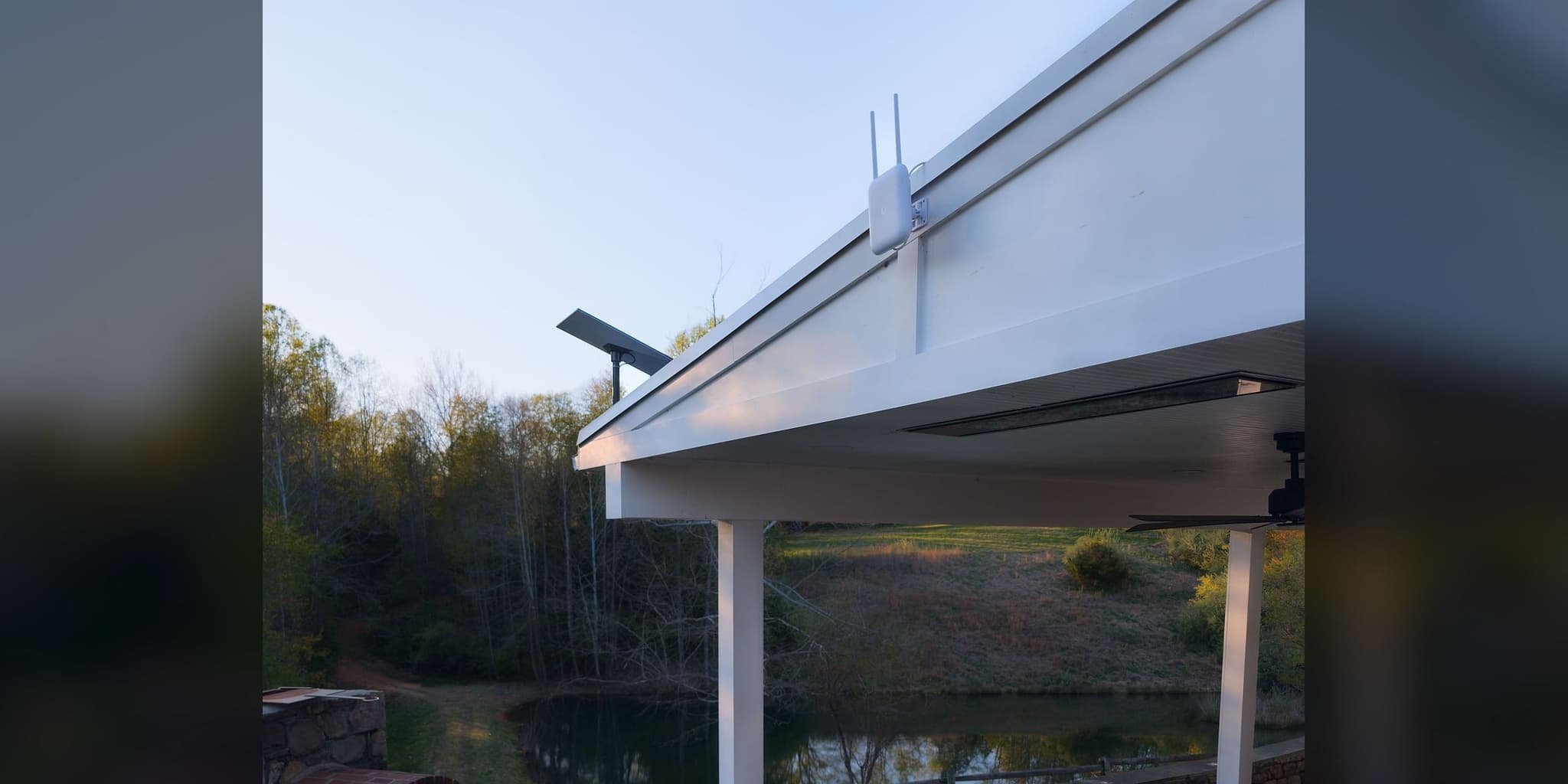
You're committed to wireless-only (no conduit/coax)

Use WiFi 7 MLO

Multi-link operation is a breakthrough. Not a replacement for wired, but dramatically better than WiFi 6E wireless backhaul.

🎯 Our Recommendation

Start with what's available: If Ethernet can be run (even through conduit for future-proofing), choose it. If coax is already present, MoCA 2.5 is practical and excellent. For wireless-only homes, WiFi 7 MLO represents the state-of-the-art and is worth investing in.

The hierarchy is clear: Ethernet → MoCA 2.5 → WiFi 7 MLO → Wireless-Only. Each step down means tradeoffs in throughput, latency, and reliability.

The Bottom Line
The dirty secret of mesh networking is that wireless backhaul will always be a compromise. WiFi 7 MLO makes that compromise more palatable—but physics is physics. For mission-critical applications, wired backhaul remains non-negotiable. The debate between single router vs. mesh is over—but only if you get the backhaul right.
Eric Enk
Chief Network Architect, The Orbit Tech

Ready to Optimize Your Home Network?

Orbit Tech specializes in deploying optimal mesh backhaul solutions tailored to your home's infrastructure. Get a free network audit to identify the best approach for your property.